Comprehensive. Convenient. Compassionate.
A Division of Pomona Valley Hospital Medical Center
Allergies affect millions of people and can range from mild, seasonal discomfort to symptoms that interfere with daily life.
While many people hope for a permanent “cure,” most allergies are best managed through a combination of awareness, prevention, and medical guidance.
By understanding what causes allergies, how symptoms appear, and which management strategies are available, you can make informed decisions about your health and know when it may be time to seek care.
Allergies occur when your immune system overreacts to a substance that is typically harmless.
These substances, called allergens, can include pollen, dust, pet dander, mold, foods, medications, and certain chemicals.
When your body encounters an allergen, it releases chemicals such as histamine, which trigger allergy symptoms. Some allergens, like pollen, are more common during certain seasons, while others may affect you year-round.
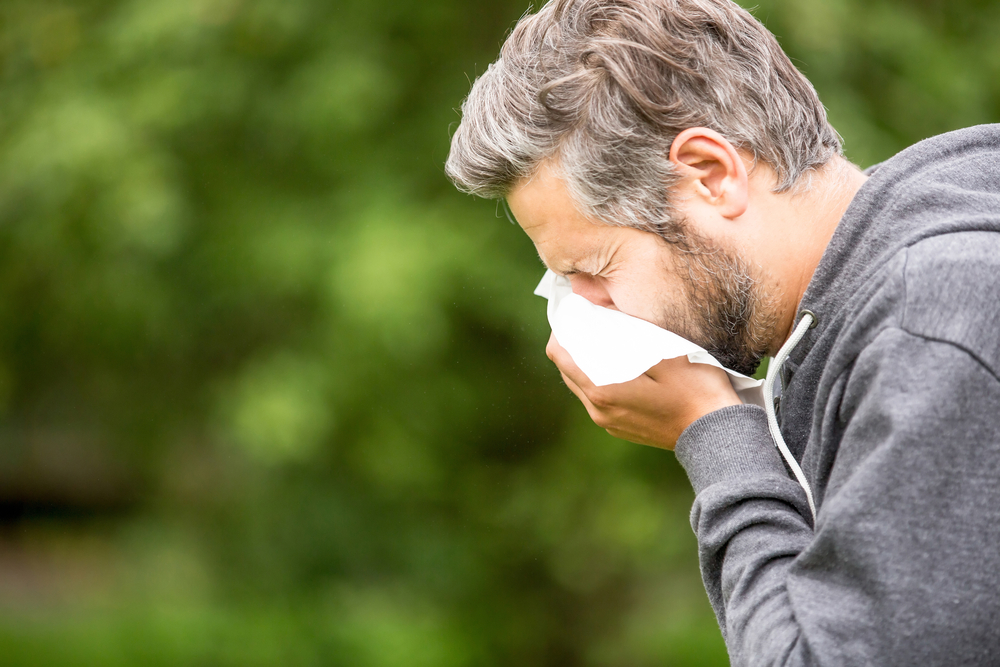
Allergy symptoms can vary depending on the trigger and your individual sensitivity. Common symptoms include:
Symptoms may be mild for some people and more disruptive for others.
The general answer is that most allergies cannot be completely cured. However, some people, especially children, may outgrow certain food allergies over time.
Identifying what you are allergic to is an important step in managing symptoms. Allergy testing, such as skin or blood tests, combined with a detailed medical history, can help determine which allergens trigger your reactions.
Although allergies may not go away completely, many people can control their symptoms with the right strategies.
Allergy medications may help reduce symptoms such as sneezing, itching, and congestion. These can include antihistamines, decongestants, and corticosteroid nasal sprays, which work by blocking or reducing the body’s allergic response.
Immunotherapy is a preventive treatment option that reduces sensitivity to allergens such as pollen, dust mites, and insect venom. It involves gradually exposing the body to small amounts of the allergen over time, which can help the immune system become less reactive and decrease symptoms.
Most allergy symptoms can be managed with lifestyle changes and basic treatments. However, you should consider seeking medical care if you experience any of the following symptoms:
If you need prompt care for worsening allergy symptoms, urgent care may be the right next step.
To schedule an appointment at a PVHC location near you, call 909-643-8982 or click here to use our online form.