Comprehensive. Convenient. Compassionate.
A Division of Pomona Valley Hospital Medical Center
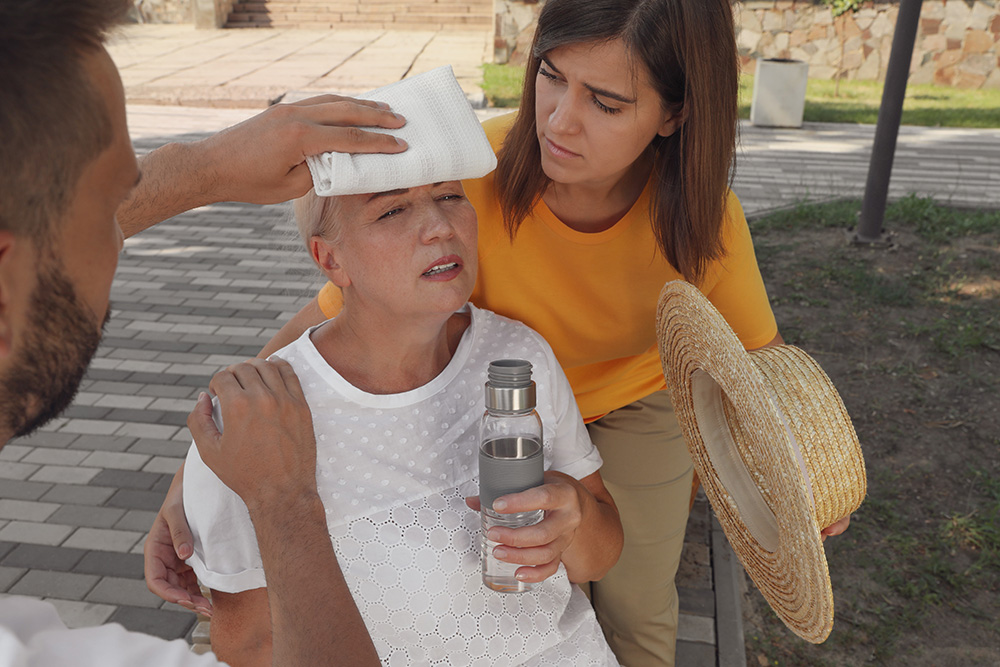
Summer in Southern California brings plenty of opportunities to enjoy the outdoors, but higher temperatures also increase the risk of heat-related illness.
Whether you're working outside, exercising, spending the day at the beach, or attending a sporting event, it's important to recognize when your body is struggling to keep cool.
While heat exhaustion and heat stroke are both caused by prolonged exposure to heat, they are not the same. Heat exhaustion is a serious condition that often responds well to prompt treatment. Heat stroke is a life-threatening medical emergency that requires immediate care.
At Pomona Valley Health Centers (PVHC), our urgent care services help patients receive prompt evaluation and treatment for heat-related illnesses before they become more serious.
Understanding the warning signs can help you protect yourself and your loved ones during the hottest months of the year.
In this guide, we'll explain the differences between heat exhaustion and heat stroke, common symptoms to watch for, first-aid steps you can take, and when to seek urgent or emergency medical care.
Heat exhaustion is a heat-related illness that occurs when your body loses excessive water and salt, usually through heavy sweating, making it difficult to regulate its internal temperature.
It often develops after prolonged exposure to hot, humid weather or strenuous physical activity.
Although anyone can develop heat exhaustion, it is more likely to occur when the body cannot cool itself quickly enough.
Without treatment, heat exhaustion can progress to heat stroke, making early recognition especially important.
Common causes of heat exhaustion include:
Recognizing heat exhaustion early allows you to cool down, rehydrate, and prevent it from worsening.
Heat stroke is the most serious form of heat-related illness and is considered a medical emergency. It occurs when the body's temperature rises rapidly—typically to 104°F or higher—and it can no longer cool itself effectively.
As body temperature continues to rise, vital organs, including the brain, heart, and kidneys, can begin to suffer damage. Without immediate treatment, heat stroke can lead to permanent complications or become life-threatening.
Unlike heat exhaustion, heat stroke requires immediate emergency medical care. The sooner treatment begins, the better the chance of preventing serious complications.
If you suspect someone is experiencing heat stroke, call 911 right away and begin cooling measures while waiting for emergency responders.
Although both conditions result from exposure to excessive heat, knowing the difference can help you respond appropriately.
| Heat Exhaustion | Heat Stroke |
|---|---|
| Body temperature is usually below 104°F | Body temperature reaches 104°F or higher |
| Heavy sweating | Skin may become hot, flushed, and dry, although sweating may still occur in some cases |
| Weakness, dizziness, fatigue | Confusion, altered mental status, or loss of consciousness |
| Nausea, vomiting, headache, muscle cramps | Seizures, confusion, difficulty speaking, or unconsciousness |
| Usually improves with cooling and hydration | Requires immediate emergency medical treatment |
| Seek urgent care if symptoms don't improve | Call 911 immediately |
Knowing the heat stroke vs. heat exhaustion difference can help you act quickly when every minute counts.
Recognizing the signs of heat exhaustion early can help prevent a more serious heat-related illness. Symptoms often develop gradually after spending time in hot weather or participating in strenuous activity.
Common heat exhaustion symptoms include:
If you notice these symptoms in yourself or someone else, move to a cool location immediately, begin rehydrating, and rest. Prompt treatment often helps prevent heat exhaustion from progressing to heat stroke.
To learn more about recognizing heat illness warning signs, explore our related resource on heat-related illnesses.
Unlike heat exhaustion, heat stroke is a medical emergency. It occurs when the body can no longer regulate its temperature, leading to rapid temperature rise. Without immediate treatment, heat stroke can damage the brain and other vital organs.
Common heat stroke warning signs include:
If someone develops these symptoms after being in the heat, call 911 immediately. Do not wait to see if symptoms improve.
While waiting for emergency medical services to arrive:
Quick action can be lifesaving.
Although anyone can develop a heat-related illness, certain individuals are more vulnerable because their bodies may have a harder time regulating temperature or replacing lost fluids.
People at increased risk for heat-related illness include:
Living in Southern California also increases exposure to prolonged periods of high temperatures, particularly during the summer months. Planning outdoor activities carefully and recognizing the early signs of heat-related illness can help reduce your risk.
If you think you or someone else is experiencing heat exhaustion, acting quickly can help prevent the condition from becoming more serious.
If heat exhaustion symptoms are mild to moderate:
Many people begin feeling better within 30 to 60 minutes. However, if symptoms worsen, do not improve after an hour, or the person is unable to keep fluids down, seek medical evaluation.
PVHC urgent care providers can evaluate dehydration, monitor symptoms, and determine whether additional treatment is needed.
Learn more about the conditions we treat at urgent care and whether urgent care vs. the emergency room is the right choice for your situation.
Heat stroke is always an emergency.
If you suspect heat stroke:
Immediate medical treatment is essential to reduce the risk of serious complications or permanent organ damage.
The best way to avoid heat exhaustion and heat stroke is to take simple precautions before spending time outdoors.
Whether you're heading to work, exercising, attending a sporting event, or enjoying a day with family, planning ahead can help reduce your risk of heat-related illness.
Here are a few ways to stay safe in the heat:
For additional ways to stay safe during the warmer months, read our hydration tips for summer to help protect yourself and your family from heat-related illness.
Heat exhaustion occurs when your body loses too much water and salt and can no longer cool itself effectively.
Heat stroke is a medical emergency that develops when the body's temperature reaches 104°F or higher, and the body's cooling system begins to fail.
Heat stroke requires immediate emergency medical treatment.
Yes. If heat exhaustion is not recognized and treated promptly, it can progress to heat stroke. That's why it's important to move to a cool environment, hydrate, and seek medical care if symptoms don't improve or begin to worsen.
Call 911 immediately. Loss of consciousness is a warning sign of heat stroke and should always be treated as a medical emergency.
While waiting for emergency responders, move the person to a cool area, begin cooling their body with cold compresses or cool water, and avoid giving them food or drinks if they are unconscious or unable to swallow safely.
If you're experiencing symptoms of heat exhaustion, such as dizziness, heavy sweating, nausea, or muscle cramps that don't improve with rest and hydration, urgent care can provide prompt evaluation and treatment.
However, if you or someone else develops symptoms of heat stroke, including confusion, loss of consciousness, seizures, or a body temperature of 104°F or higher, call 911 or go to the nearest emergency room immediately.
Recovery varies depending on the severity of your symptoms and how quickly treatment begins.
Many people begin feeling better within a few hours after resting, cooling down, and rehydrating.
However, some individuals may require additional medical evaluation or treatment, especially if symptoms persist or dehydration is significant.
Although many cases of heat exhaustion improve with prompt treatment, it's important not to ignore symptoms that persist or worsen. Receiving medical attention early can help prevent more serious complications and get you back to feeling your best sooner.
Pomona Valley Health Centers provides prompt, compassionate care for many heat-related illnesses through our urgent care services. Our experienced providers can evaluate your symptoms, treat dehydration and heat exhaustion, and determine whether additional care is needed.
If you're experiencing symptoms of heat exhaustion or have concerns after spending time in the heat, don't wait to seek care.
Remember, heat stroke is always a medical emergency. If someone is confused, loses consciousness, has a seizure, or has a body temperature of 104°F or higher, call 911 immediately.
Find a PVHC location near you for convenient urgent care services throughout Southern California.
Request an appointment today or visit one of our urgent care locations for prompt evaluation and treatment.