PVHC Logo
Comprehensive. Convenient. Compassionate.
A Division of Pomona Valley Hospital Medical Center

PVHC Logo
Comprehensive. Convenient. Compassionate.
A Division of Pomona Valley Hospital Medical Center

Are energy drinks safe for teens? What parents should know.

Mar 23, 2026
Two teenage students standing in a school hallway, both opening energy drink cans. Imagine noticing your teen reaching for an energy drink before school, sports practice, or a late-night study session. You might wonder if it’s just a harmless boost or something to be concerned about. Energy drinks have become increasingly popular among teens, but medical experts, including the American Academy of Pediatrics (AAP), advise that energy drinks are not recommended for children and adolescents. At Pomona Valley Health Centers, we provide comprehensive care for adolescents and support families in making safe, informed health decisions. In this blog, we’ll cover:
  • Why energy drinks pose unique risks for teens
  • Specific health concerns and side effects of energy drinks
  • Caffeine considerations
  • Safer alternatives for energy and focus
  • Tips for talking with your teen about making healthier choices

What’s actually in energy drinks?

Energy drinks often contain 80–300 mg of caffeine per serving, roughly equivalent to one to three cups of coffee. Even more eye-opening, many contain two or three servings per can, which can make the total caffeine intake significantly higher than it appears on the label. These drinks claim to temporarily increase alertness, energy, and cognitive performance. However, many lack strong evidence. Other common ingredients include:
  • Guarana and taurine, stimulants that amplify caffeine’s effects
  • Ginseng, sometimes marketed as a “natural energy booster”
  • Sugar, often over 50 grams per can, which can cause energy crashes
Knowing what’s inside these drinks helps explain why teens can be more sensitive to their effects. Because most energy drinks are not FDA-regulated for use by youths, their caffeine content can vary, making them especially risky for adolescents whose bodies and brains are still developing. Let’s take a look at caffeine content across popular brands often marketed to youth:
  • Spike Hardcore Energy | 350 mg per 16 oz. can
  • Bang Energy | 300 mg per 16 oz. can
  • Celsius Heat | 300 mg per 16 oz. can
  • Rockstar Xdurance | 300 mg per 16 oz. can
  • Reign Total Body Fuel | 300 mg per 16 oz. can
For comparison, a 16 oz. cup of coffee contains an average of 200-240 mg of caffeine.

Why energy drinks are particularly risky for teens

Adolescents’ bodies and brains are still growing, making them more vulnerable to stimulants like caffeine. Even moderate amounts can affect heart health, sleep, focus, and mood, reinforcing that energy drinks are not suitable for children and teens.

Physical health risks

  • Increased heart rate and blood pressure
  • Heart palpitations or irregular heartbeat
  • Risk of cardiac events, especially when combined with exercise
  • Dehydration
  • Digestive issues

Mental and behavioral effects

  • Anxiety and nervousness
  • Sleep disruption and insomnia
  • Difficulty concentrating despite seeking focus
  • Mood swings and irritability
  • Potential for caffeine dependence

Academic and social impact

  • Poor academic performance due to sleep loss
  • Increased risk-taking behaviors
  • Possible gateway to other substance use
  • Social pressure and peer influences

Warning signs your teen may be consuming too much caffeine

Worried your child might be drinking too much caffeine through energy drinks or other sources? Here are the signs to watch for:
  • Difficulty sleeping or changes in sleep patterns
  • Increased anxiety or nervousness
  • Headaches (especially when not consuming caffeine)
  • Rapid heartbeat or chest discomfort
  • Stomach problems
  • Difficulty focusing despite consuming energy products
  • Withdrawal symptoms (e.g., irritability or fatigue when not consuming)
If you notice one or more of these warning signs, talk to your teen about their caffeine consumption. The skilled primary care physicians at Pomona Valley Health Centers can help families assess caffeine intake and guide your teen toward safer, healthier choices.

Safer alternatives for teen energy and focus

Many teens reach for energy drinks for fatigue, to boost concentration, or for taste preferences. However, there are healthier, more practical ways they can boost energy and stay alert.

Natural energy boosters

  • Eight to ten hours of quality sleep each night
  • Regular physical activity (Approx. 60 minutes per day)
  • Balanced nutrition with protein and complex carbohydrates
  • Proper hydration with water
  • Healthy snacks (e.g., nuts, fruits, or yogurt)

Better beverage choices

  • Water
  • Low-fat milk or plant-based alternatives
  • 100% fruit juice (in moderation)
  • Caffeine-free herbal teas
  • Smoothies with fruits and vegetables
  • If caffeine desired: Stick to small amounts of tea or coffee (≤100 mg/day) with parental guidance
These strategies are supported by nutrition and healthy lifestyle guidance available through Pomona Valley Health Centers. They can help your teen understand how to maintain energy, focus, and overall wellness without relying on highly caffeinated drinks.

How to talk to your teen about energy drinks

Open, supportive conversations work best. Conversation tips for parents:
  • Start with curiosity, not judgment: “I’ve noticed you’ve been drinking energy drinks. What do you like about them?”
  • Share facts without lecturing
  • Acknowledge peer pressure and social aspects
  • Discuss marketing tactics targeting youth
  • Set clear family guidelines together
  • Offer to help find alternatives
  • Lead by example with your own beverage choices
  • Keep communication open and ongoing

When to seek medical advice

Parents should consult a healthcare provider if their teen experiences:
  • Chest pain, rapid heartbeat, or difficulty breathing
  • Severe headaches or dizziness occur
  • Consumption of multiple energy drinks in a short period
  • Signs of caffeine dependence
  • Any concerns about teen’s overall health or behavior
Pomona Valley Health Centers’ primary care physicians can provide personalized guidance on teen nutrition, healthy lifestyle habits, and overall wellness. With five convenient locations across Southern California, scheduling a visit is easy and accessible.

Visit Pomona Valley Health Centers for expert guidance and support

Energy drinks contain high levels of caffeine and other stimulants that can affect your teen’s heart, brain, and sleep. Medical professionals recommend that teens avoid these beverages. Here are practical steps parents can take at home to protect their teen:
  1. Check your home for energy drinks and discuss alternatives with your teen
  2. Review your teen’s daily routine to identify why they may feel they need extra energy
  3. Prioritize healthy sleep habits and nutrition
  4. Keep communication open and judgment-free
  5. Consult with a healthcare provider if you have concerns
Are you concerned about your teen’s health and nutrition? Request an appointment today to discuss your teen’s wellness and receive personalized guidance on healthy lifestyle choices.
PVHC Locations
From Chino Hills to La Verne

With five locations across Southern California, your best care is closer than you think.
Find a Location Near You.

PVHC:
A Leading Medical Group in Southern California

Explore our PVHC Locations

From Chino Hills to La Verne– we’re here to provide compassionate and expert care for your entire family. With five medical clinics throughout Southern California, your best care is closer than you think.

Pomona

1770 North Orange Grove Avenue, Suite 101
Pomona, CA 91767
909-469-9494More Information >
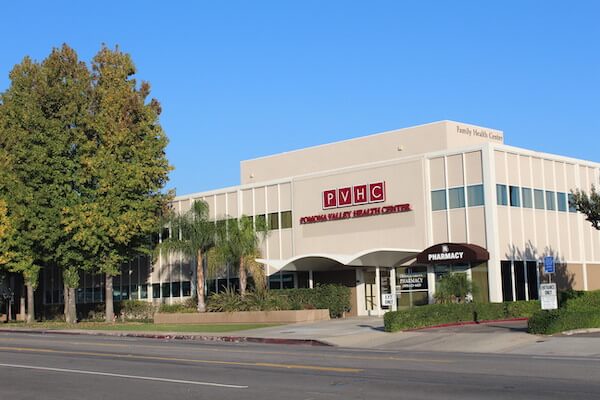
Exterior photo of PVHC Chino Hills

Chino Hills

2140 Grand Avenue, Suite 125
Chino Hills, CA 91709
909-630-7875More Information >
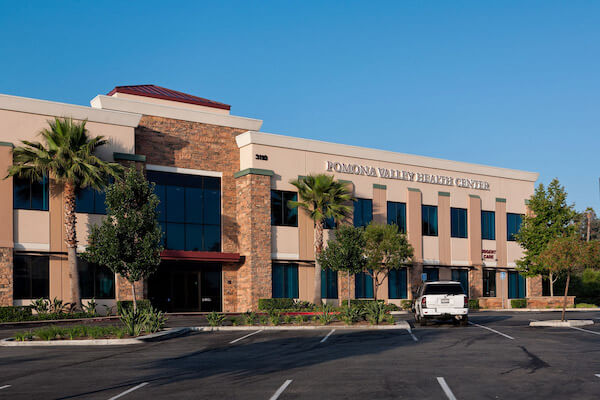
Exterior photo of PVHC Chino Hills

Chino Hills Crossroads

3110 Chino Avenue, Suite 150
Chino Hills, CA 91709
909-630-7490More Information >
Exterior photo of PVHC Chino Hills Crossroads

Claremont

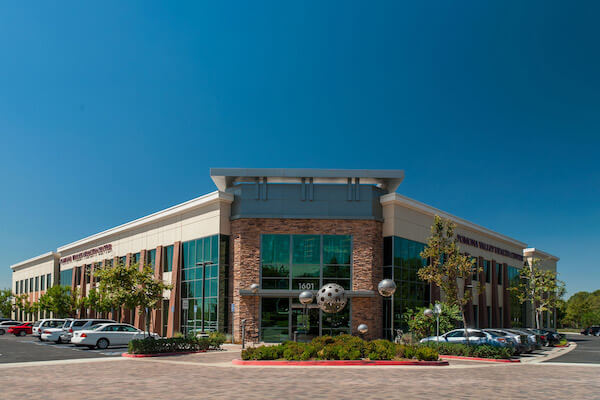
1601 Monte Vista Avenue, Suite 100
Claremont, CA 91711
909-630-7938More Information >
Exterior photo of PVHC Claremont

La Verne

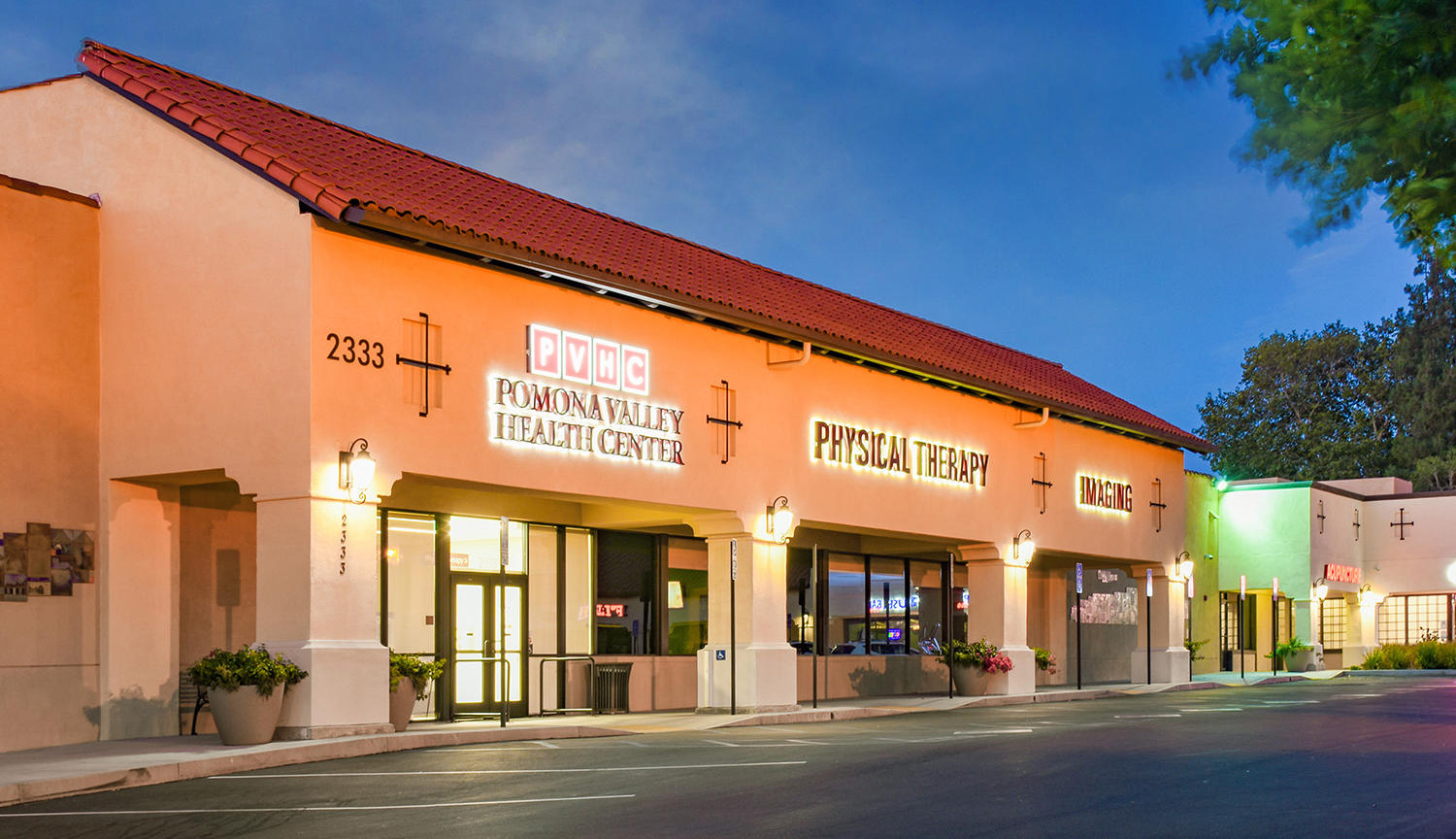
2333 Foothill Blvd. 
La Verne, CA 91750
909-392-6501More Information >
Photo of PVHC La Verne Location

What Our Patients Are Saying

Request Your Appointment

Call 909-630-7829
Or Use Our Easy Online Request Form
PVHC Logo
Find Us Online
Need help? Want to schedule an appointment? Call us at (909) 630-7829.
Copyright© 2026 PVHC - All Rights Reserved | Website by Healthcare Success