Comprehensive. Convenient. Compassionate.
A Division of Pomona Valley Hospital Medical Center
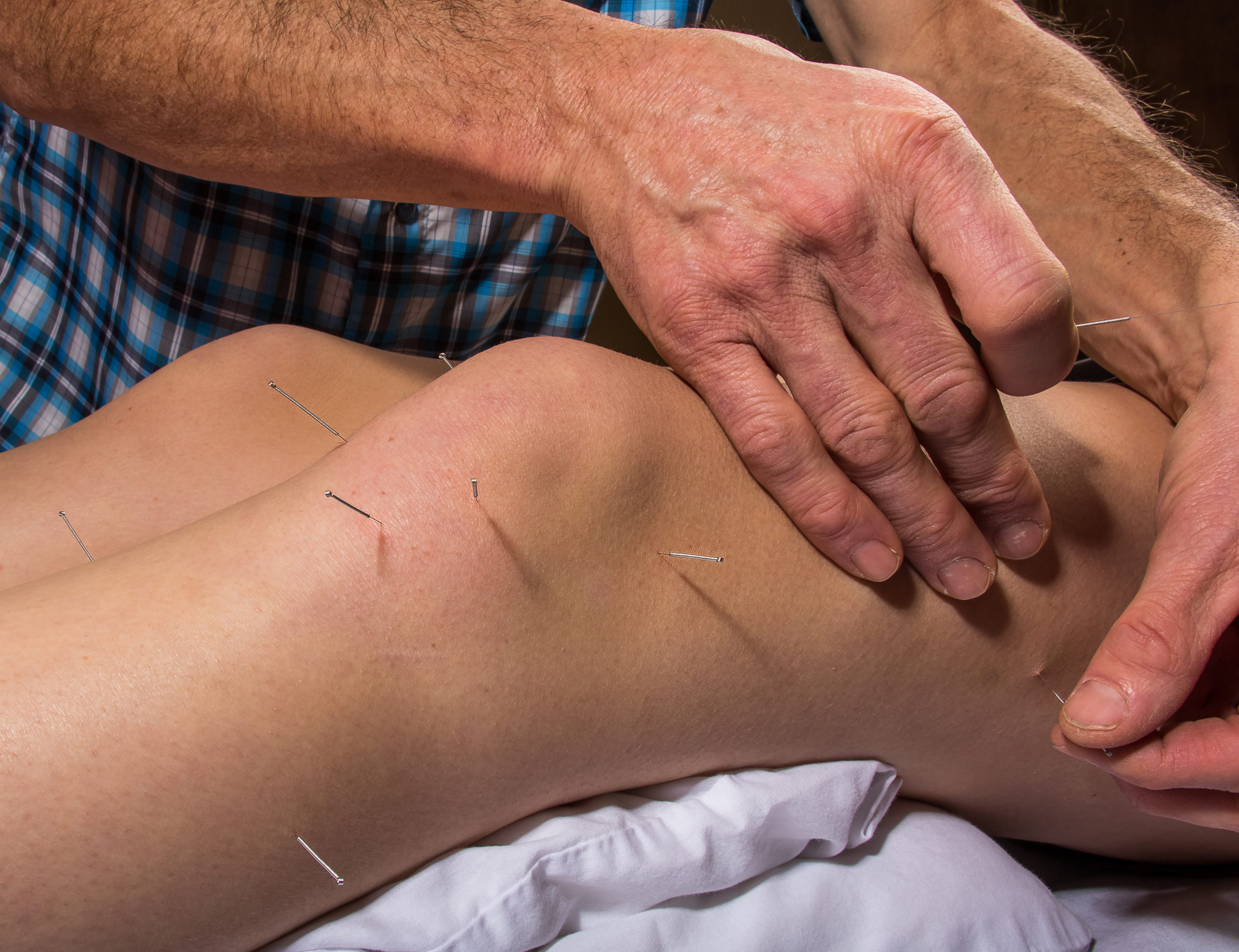
Sports injuries can cause pain, stiffness, and limited movement that make it difficult to stay active. Dry needling is a modern treatment approach used in sports medicine to help relieve muscle tension, improve mobility, and support faster recovery after an injury.
Dry needling involves inserting very thin needles into specific areas of tight muscle tissue called trigger points. These trigger points are sensitive bands within the muscle that can cause pain and restrict movement. By targeting these areas, dry needling helps release tension and restore more normal muscle function.
Unlike acupuncture, which is rooted in traditional Eastern medicine, dry needling is based on modern Western medical principles related to anatomy, muscle function, and pain management.
Dry needling may help athletes recover more effectively from sports injuries by supporting the body’s natural healing processes. Potential benefits include:
For many athletes, dry needling can also help reduce inflammation, increase circulation to injured tissues, and relieve muscle tightness that develops after repetitive activity.
Dry needling is commonly used as part of a broader sports medicine treatment plan. It may be helpful for conditions such as:
Each treatment plan is individualized based on the athlete’s condition, injury type, and recovery goals.
Dry needling is often combined with other sports medicine techniques to support recovery and improve performance.
Sports medicine providers may use hands-on evaluation techniques to identify areas of muscle tightness or dysfunction. This helps pinpoint the source of discomfort and determine the most effective treatment approach.
Soft tissue release, sometimes called “pin and stretch,” is a manual therapy technique used to improve muscle flexibility. By applying targeted pressure while stretching the muscle, providers can help restore normal movement patterns and reduce tension.
Cupping therapy uses suction applied to the skin to help improve blood flow and release tight connective tissue. This technique may help reduce pain and improve movement in areas affected by muscle tightness or injury.
After muscles are treated with dry needling, stretching and mobility exercises are often recommended to help restore normal movement and maintain flexibility. These exercises support long-term recovery and help reduce the risk of future injury.
Whether you are a competitive athlete or simply enjoy staying active, recovering properly after an injury is essential.
Treatments such as dry needling, combined with personalized sports medicine care, can help support healing and restore movement so you can return to the activities you enjoy.
Pomona Valley Health Centers provides comprehensive care for sports injuries, including evaluation, treatment planning, and rehabilitation support to help patients recover and stay active.
Ready to explore dry needling? Call 909-378-9143 to schedule an appointment.