Comprehensive. Convenient. Compassionate.
A Division of Pomona Valley Hospital Medical Center
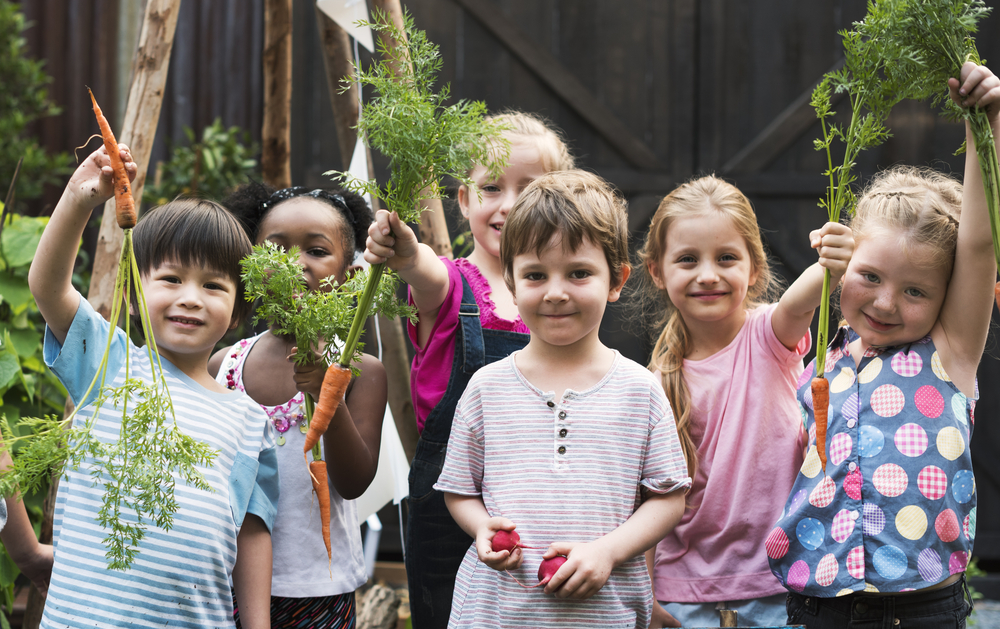
Teaching healthy habits starts with simple, everyday moments. From what your child eats to how they move and interact with others, small lifestyle choices can shape long-term health in powerful ways.
These tips focus on practical, family-friendly habits you can model at home to help your kids build confidence, resilience, and healthy routines that grow with them.
It’s true; healthy parents have healthy kids. You are the most important influence on your child, especially when they’re young.
A large body of research suggests physical activity and a healthy diet pay off in the classroom. When your kids are healthy, they are happier, more focused, and do better in school.
One of the best things you can do to help your child’s health and wellness is to set a good example. When you eat a healthy, well-balanced diet, exercise regularly, and attend regular checkups with your doctor, your kids are more likely to follow suit.
Here are five things parents can teach their children through words and actions:
Introduce a variety of colorful fruits and vegetables, prepared simply, to help them develop a broad palate that will serve them well into adulthood. Teach your kids about food early so they understand the value of a healthy meal. Introduce them to a selection of new, healthy foods to encourage them to enjoy new flavors. Food is like fuel; the more nutritious their diet, the better they’ll feel physically and emotionally.
Kids are more susceptible to dehydration than adults because they have higher body water content and higher metabolic rates. Instead of reaching for soft drinks or juice, give your kids a tall glass of water when they’re thirsty. Store-bought juices and soda contain a lot of sugar and can lead to health complications like weight gain or even diabetes if consumed in excess. Keep them hydrated with easy-to-access water throughout the day and plenty of nutritious, high-water-content foods.
Encourage physical fitness and show them that exercise is fun. Kids want to do everything you do, especially when they’re young, so climb, swing, and slide at the park with them. Make exercise fun by playing hopscotch or freeze tag and riding bikes outside. Guidelines from the Department of Health and Human Services recommend that children and adolescents aged 6 and older get at least 1 hour of moderate or vigorous physical activity each day.
About 20 percent of students report being bullied each year. As adults and parents, it’s essential to model violence-free mediation and conflict resolution so that when children leave the home, they have a wide range of skills and strategies to negotiate conflict.
Life is busy; sometimes, we want to relax in front of the TV or computer. TV, computer games, iPads, and smartphones can be fun and educational, but small minds and bodies need a lot of physical stimulation throughout the day. The American Hospital Association recommends 1 hour of screen time per day for children aged 2 to 5 and no more than 2 hours per day for kids and teens aged 8 to 18.
Healthy habits start at home, but regular checkups help support your child’s growth and development. If you have questions about your child’s health, a family medicine provider can help guide you.
Call Pomona Valley Health Center at 909-643-8982 to schedule your appointments. Our team of skilled physicians is ready to help with the unique needs of your entire family.